
Every lawn
How to Water New Grass Seed
Keep the top inch of a new seedbed moist but not saturated. That usually means light watering daily — often two or three or more times a day in warm, sunny, dry or windy weather — adjusted for rain and soil. As seedlings grow and root, move gradually to deeper, less frequent watering, allowing for slower species in a mix.
Suitable seed and reliable moisture both matter when starting a lawn. Young seedlings have shallow, developing roots and depend on moisture near the surface; drying can damage or kill them and leave thin patches. Keep the seedbed moist with light waterings as needed, adjusting both timing and amount for the soil and weather without saturating it. Water progressively deeper and less often as seedlings grow and root, allowing for slower species in a mix.
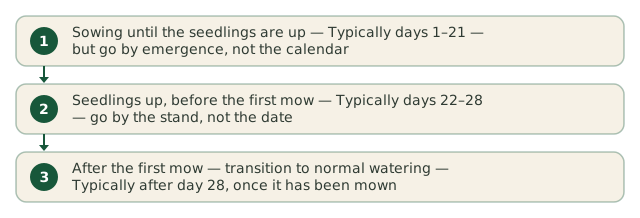
Watering by growth stage
- Phase 1
Sowing until the seedlings are up
Typically days 1–21 — but go by emergence, not the calendarKeep the top inch of soil damp at all times. That usually means watering lightly two or three times a day or more in warm, dry weather — you are wetting the surface, not soaking the soil. Never let it dry out, and never try to make up for a missed day with one long soak, which washes seed into low spots. How long this lasts is set by the species and the weather, not by a day count: perennial ryegrass is often up in five to ten days, tall fescue in one to two weeks, and Kentucky bluegrass can take two to three weeks even in good conditions — longer in cold or dry soil. A seed mix germinates in waves: protect the SLOWEST component as you adjust watering. Actual rain can replace irrigation while the seedbed stays moist; check throughout the day.
- Phase 2
Seedlings up, before the first mow
Typically days 22–28 — go by the stand, not the dateAs seedlings emerge across the area, grow and root, gradually water a little more heavily and less often, while keeping moisture within reach of the developing roots. Do not cut back just because the first seedlings appear: allow slower species in a mix to emerge and develop too, and check soil moisture as you adjust for the weather. The cue to move on is the grass, not the day count: this phase runs until the new grass is tall enough for its first mow at the normal height for the species, which on a slow germinator in cool weather can be weeks past the typical range shown here. Do not delay mowing ready plants solely to wait for slower seedlings.
- Phase 3
After the first mow — transition to normal watering
Typically after day 28, once it has been mownMove toward the deep-and-infrequent pattern an established lawn wants: fewer, longer waterings that wet several inches of soil. New grass is still shallower-rooted than the rest of the lawn, so make this transition over a few weeks rather than all at once, and pace it by how the new grass takes heat and how the soil holds water — a sandy seedbed in a warm spell needs the change made more slowly than a loam in cool weather. A few mowings of the new grass can mark progress toward established watering, not the start of tapering.
Estimate a starting run time for new seed
Enter your sprinkler type and ZIP for a starting run-time estimate in new-seed mode. Adjust watering to observed moisture, rainfall, coverage, and developing roots; this example does not adjust to your forecast or soil. No signup required.
Open the watering calculatorA reminder when the next seasonal job comes round
We'll email you about three weeks before this ZIP's normal first freeze — while irrigation contractors still have slots, and before the backflow preventer is the part that freezes.
The blow-out reminder counts back from your metro's NOAA 1991–2020 median first freeze, not this year's forecast — a normal year, give or take a couple of weeks. Add your address and the reminder follows the live forecast for your own yard, with the checklist built around the zones and shut-offs you've mapped.
Why new seed breaks the usual watering rules
- Step 1
Water light and often — not deep and infrequent
Germinating seed needs moisture near the surface, and young seedlings have shallow, developing roots. Keep the top inch moist, not saturated. Light watering is usually needed daily, often two or three or more times in warm, sunny, dry or windy weather. Check moisture throughout the day; actual rain can reduce or replace watering. Adjust both timing and amount to the soil and weather.
- Step 2
Protect germinating seed and young seedlings from drying
Drying can damage or kill young seedlings and leave thin patches. Check the seedbed often, especially in hot, windy weather, and adjust both watering timing and amount to keep it moist without puddling or runoff. Do not rely on a later soaking to undo damage from drying.
- Step 3
Water during the day when the seedbed needs it
A light daytime watering may be needed if the seedbed would dry before the next morning. Keep it moist but not saturated, and avoid unnecessarily extending overnight leaf wetness. As seedlings grow and root, reduce frequency gradually, accounting for slower species in a mix; use early morning for the longer waterings as the lawn matures.
- Step 4
Taper deliberately as roots go down
As seedlings emerge across the area, grow and root, gradually move to fewer, deeper waterings. Protect slower species in a mix and keep moisture within reach of developing roots. A few mowings of the new grass can mark progress toward established watering, not when to start tapering. Avoid saturated soil and unnecessary overnight leaf wetness.
- Step 5
Let it dry slightly before the first mow
New seedlings tear out of soft ground under a mower. Skip a watering before the first cut so the surface firms up, mow with a sharp blade at the high end of the range, and take as little off as possible.
Overwatering, midday watering and dry spells
- How often should I water new grass seed?
- New grass seed needs the top inch of soil kept moist, not saturated. Light watering is usually needed daily; in warm, dry weather this may mean two or three or more waterings a day. Check the seedbed and adjust both timing and amount for rain, wind and soil moisture. Reduce frequency gradually as seedlings grow and root, allowing slower species in a mix to emerge and develop rather than cutting back at the first green shoots.
- How long do I need to keep new seed moist?
- Keep a new grass seedbed moist through germination and early growth. Perennial ryegrass may emerge in five to ten days, tall fescue in one to two weeks, and Kentucky bluegrass in two to three weeks or longer in cold or dry soil. Allow for the slowest species in a mix. Emerging is not the end of establishment: taper toward deeper, less frequent watering over the following weeks as roots develop, guided by growth, soil moisture and weather rather than a fixed completion date.
- Can you overwater grass seed?
- Grass seed can be overwatered. Puddling and runoff wash seed into low spots and leave bare patches, and constantly saturated soil invites damping-off disease. Keep the seedbed moist without saturating it, adjusting both the amount and timing of watering to the soil and weather.
- What happens if new grass seed dries out?
- Drying during germination and early growth can damage or kill new grass seedlings, leaving thin patches. The outcome depends on the species, stage and degree of drying; there is no safe missed-watering interval to assume. Protect the seedbed with light waterings as needed to keep it moist, not saturated, and do not rely on rewatering to reverse damage.
- Should I water new grass seed in the middle of the day?
- Watering new grass seed in the middle of the day is fine if the seedbed needs it to stay moist until the next morning. A light daytime watering may be needed in hot, dry or windy weather. Avoid saturation and unnecessarily prolonging overnight leaf wetness. Reduce frequency as seedlings grow and root, allowing for slower species in a mix, and favor early morning for longer waterings as the lawn matures.
Where this guidance comes from
The university extension and public-agency publications listed here back specific statements on this page. Each publication says which statement it backs, so you can check the statement rather than take it on trust. Where a product label or your local extension office disagrees with anything here, follow the label or the extension office.
- Watering a roadside lawn
University of Minnesota Turfgrass Science
New seed needs light, frequent watering, about two to three times a day in the first couple of weeks, with extra passes in hot, dry weather to keep the surface moist.
- Seedling Problems - Lawns
University of Maryland Extension
Newly emerged seedlings can die if the surface dries, so several light waterings a day may be needed, shifting to less frequent, deeper watering as roots develop.
- Don't Delay, Seed in September
NC State Extension, Caldwell County Center
Once seedlings are growing and rooting, water less often but for longer each time, tapering toward an established lawn's routine.
