
Common in summer
Chinch Bug Damage: How to Spot and Confirm It
Chinch bugs are tiny insects that suck the juices from grass in hot, dry, sunny spots — common in St. Augustine and other warm-season lawns. Their damage can look like drought that keeps spreading even though you're watering — once you've checked the water actually reaches those spots, that's the clue that sends you looking for the bugs themselves.
How to tell
- Yellow-then-brown patches in the hottest, sunniest, driest part of the lawn.
- Damage that keeps expanding even when the water reaches the root zone — a clue rather than proof, since plain drought eases once the soil under it is actually wet.
- Tiny black-and-white insects (and smaller red nymphs) when you part the grass at a patch edge.
- Worst along sidewalks, driveways, and south-facing edges where it's hottest.
What to do
- Step 1
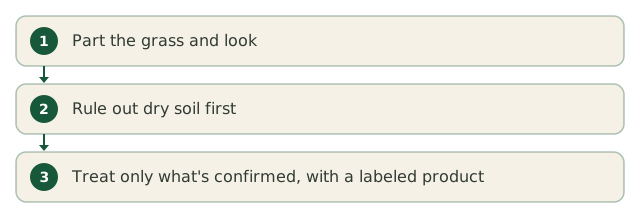
Part the grass and look
At the edge of a spreading patch — where damaged meets healthy — part the grass to the soil and watch for the fast-moving black-and-white adults and reddish nymphs. They're tiny and some beneficial insects look similar, so check several spots with a magnifier and confirm identity — and enough of them to explain the damage — before treating.
- Step 2
Rule out dry soil first
Check the soil under the patch: plain drought starts to green back up once a deep soak actually wets the root zone, while chinch-bug damage can keep spreading anyway. If watering isn't stopping it and you find chinch bugs in numbers at the damaged edge, they're a likely cause.
- Step 3
Treat only what's confirmed, with a labeled product
If you confirm chinch bugs in numbers that explain the damage, choose an insecticide labeled both for chinch bugs and for your grass — some products injure St. Augustine — and treat the affected area. Repair killed spots with plugs or sod once they're gone (St. Augustine is grown vegetatively, not from seed).
Always read and follow the product label — it is the legal authority on rates, timing, and safety. These windows are regional estimates, not a prescription; defer to the label and your local extension office.
Not sure this is the one?
Several lawn problems look alike from the porch, chinch bugs among them. Answer a few quick questions in the free YardLedger diagnosis tool and the tool checks your symptoms against all of them — and what to do about each — no signup required.
Diagnose my lawnGet the next seasonal job sent to you
We'll email you about three weeks before this ZIP's normal first freeze — while irrigation contractors still have slots, and before the backflow preventer is the part that freezes.
The blow-out reminder counts back from your metro's NOAA 1991–2020 median first freeze, not this year's forecast — a normal year, give or take a couple of weeks. Add your address and the reminder follows the live forecast for your own yard, with the checklist built around the zones and shut-offs you've mapped.
Preventing it next season
Mow high, water deeply, and avoid excess nitrogen and thatch, which chinch bugs favor. A healthy, properly watered lawn is far more resistant, and catching them early keeps the damage small.
What people ask about it
- How can I tell chinch bugs from drought?
- Chinch-bug damage and drought both look like browning in hot, dry spots. Drought usually eases once water actually reaches the roots, while chinch-bug damage can keep spreading even then — so check the soil is wet under the patch first. Part the grass at a patch edge for tiny black-and-white insects — but lookalikes exist, so confirm them, in numbers, before treating.
- What grass do chinch bugs attack most?
- St. Augustine is especially prone to chinch bugs, though they affect other warm-season and some cool-season lawns too. Always confirm the insects before treating, and use a product labeled for your grass type.
Chinch bugs by grass type
The signs of chinch bugs and the fix shift with your grass — its season, whether it self-repairs, and what it's sensitive to. Pick your grass for guidance tuned to it:
Where this guidance comes from
The university extension and public-agency publications listed here back specific statements on this page. Each publication says which statement it backs, so you can check the statement rather than take it on trust. Where a product label or your local extension office disagrees with anything here, follow the label or the extension office.
- Chinch Bugs in Turf
NC State Extension
Parting the grass at the edge of a yellowing patch to look for adults and nymphs is the inspection step this page describes before confirming identity and numbers.
- Southern Chinch Bug: Biology and Management in Turfgrass (C1147)
UGA Extension
Chinch bug damage shows as yellow-to-brown patches that are easily mistaken for drought, which is why this page says to look for the insects rather than assume heat stress.
- Southern Chinch Bug, Blissus insularis Barber (EENY-226/IN383)
UF/IFAS Extension
Heavy nitrogen feeding makes St. Augustine lawns more prone to chinch bugs, the reason this page lists avoiding excess nitrogen as prevention.
